This blog is about a word most people have heard but few really understand: sepsis. I want to explain how something as ordinary as an ingrown toenail can, in rare cases, become the starting point for a life-threatening illness, and what you can do to make sure it never gets that far.
Let me say straight away that the vast majority of ingrown toenails never become anything more than a painful nuisance. But I have treated ingrown toenails for over 40 years, and I would rather you knew the warning signs and never needed them than the other way round.
What Is Sepsis?
Sepsis is not an infection in itself. It is the body's extreme reaction to an infection. Instead of fighting the infection where it is, the immune system overreacts and starts to damage the body's own tissues and organs. Without fast treatment it can lead to organ failure and death.
A Bigger Killer Than Most People Realise
According to the UK Sepsis Trust, there are at least 245,000 cases of sepsis in the UK every year, and up to 48,000 deaths. That is more than breast, bowel and prostate cancer combined.
Yet most people could name the warning signs of a heart attack or a stroke far more easily than the signs of sepsis. That gap in awareness is part of the reason it is so dangerous: by the time people realise how ill they are, precious hours have often been lost.
Sepsis in the UK
How Can a Toenail Lead to Sepsis?
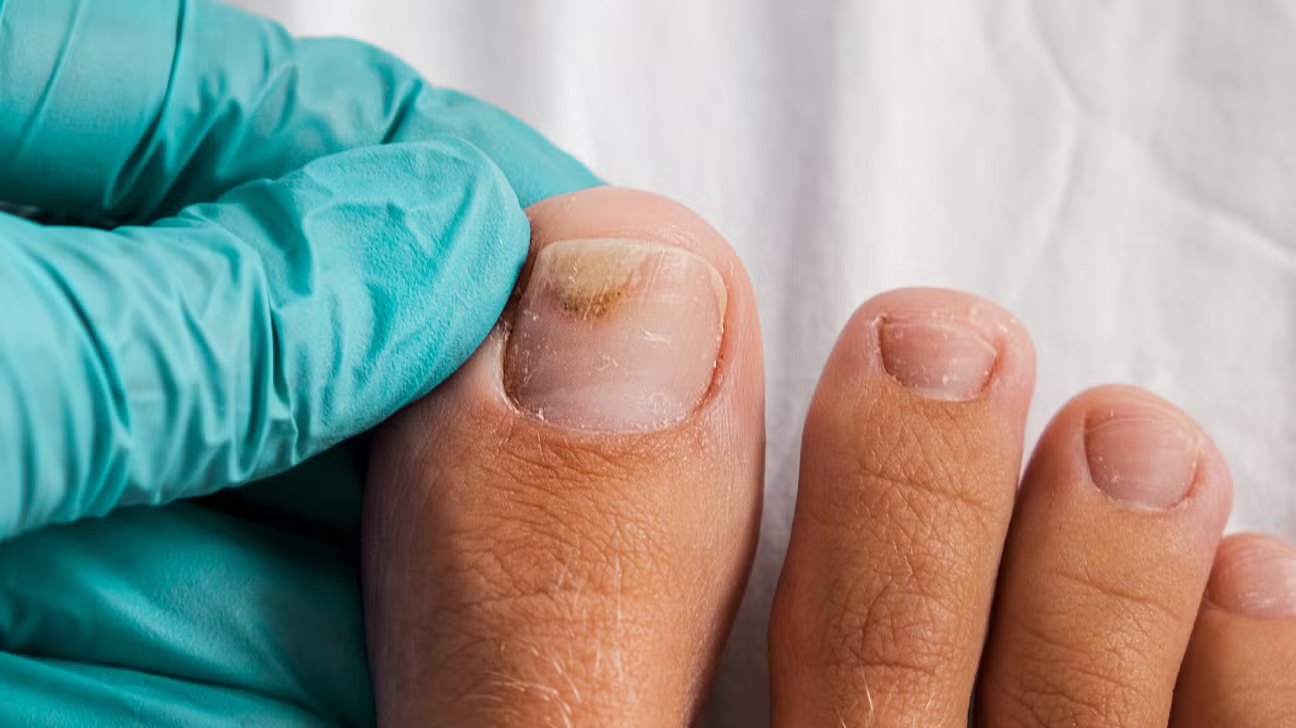
Any infection can lead to sepsis, but bacterial infections are the most common cause, and these include skin infections and infected wounds. An ingrown toenail is, quite literally, a wound: the edge of the nail pierces the skin at the side of the toe, and that broken skin is an open door for bacteria.
Most of the time the body deals with it, or the infection stays local: a red, swollen, painful toe, sometimes with pus. The danger comes when an infected ingrown toenail is ignored for weeks, treated at home with scissors, or covered up and hoped for the best. The infection can spread into the surrounding skin and tissue (cellulitis), and from there, in a small number of cases, into the bloodstream.
Signs Your Ingrown Toenail Is Infected
Increasing redness or swelling, the toe feeling hot, throbbing pain, pus or discharge, or redness that starts to spread up the foot. If you notice any of these, do not wait for it to settle on its own. Get it seen by a podiatrist or your GP, and if you cannot get an appointment, call NHS 111 for advice.
Who Is Most at Risk?
Anyone can develop sepsis, but some people are more vulnerable. If you fall into one of these groups, an infected toe deserves to be taken especially seriously:
- People with diabetes, who may not feel a foot infection developing and often heal more slowly
- Anyone with poor circulation in the feet and legs
- People with a weakened immune system, including those having chemotherapy or taking steroids
- People over 75
- Anyone who has had sepsis before
The Signs of Sepsis: When to Call 999
The NHS advises calling 999 or going to A&E if an adult or older child shows any of these signs, particularly if they already have an infection such as an infected toe:
Do Not Wait
Sepsis is a medical emergency. Every hour counts, so if you suspect it, call 999 or go straight to A&E and say clearly that you are worried about sepsis. On black or brown skin, colour changes may be easier to see on the palms of the hands or the soles of the feet.
Call 999 or Go to A&E If Someone
How to Stop It Getting That Far
The good news is that sepsis from an ingrown toenail is almost entirely preventable. The infection has to start somewhere, and catching it early at the toe is what stops it going any further.
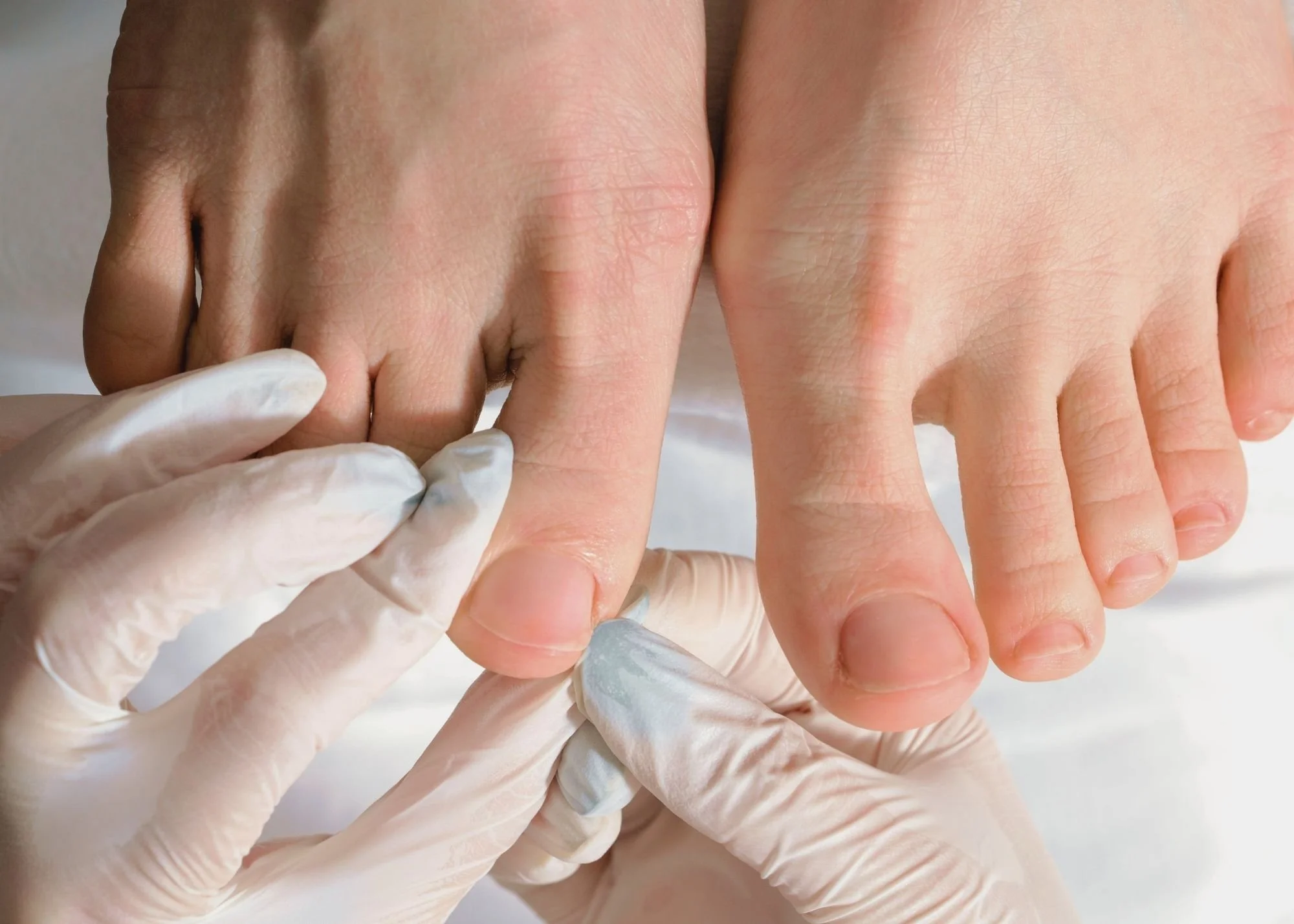
Do not try to dig the nail out yourself, and please do not have a pedicure for an ingrown toenail. Cutting into an inflamed toe with non-sterile tools is one of the quickest ways to turn a sore toe into an infected one.
If your ingrown toenail keeps coming back, the most reliable answer is to deal with it permanently. Partial Nail Avulsion (PNA) at Grays Foot Clinic removes the ingrown edge under local anaesthetic, using sterile instruments, and stops that section of nail from growing back in around 95% of cases. It is a fixed price of £495 per side.
Look After Your Toes
Cut your toenails straight across, not too short and not down into the corners. Wear shoes with enough room for your toes, keep your feet clean and dry, and check them regularly, especially if you have diabetes. If a toe is red, swollen and getting worse rather than better, get it looked at.
If In Doubt, Get It Checked
An infected ingrown toenail is easy to treat when it is caught early. Left alone, it is a risk that simply is not worth taking. No podiatrist or doctor will ever think you are wasting their time.
Same-Day Appointments
If you have a painful or infected ingrown toenail, call us. We often see urgent cases the same day, and treatment for a minor ingrown toenail is included in our podiatry appointment from £100. If we cannot see you and the toe is getting worse, call NHS 111. But if you ever notice the signs of sepsis listed above, call 999 or go straight to A&E.
Our Service
Ingrown Toenail Surgery
Dealing with an ingrown toenail that keeps coming back? Our Partial Nail Avulsion (PNA) procedure permanently resolves the problem under local anaesthetic, with sterile instruments and a full aftercare kit. £495, with same-day appointments often available.
GRAYS FOOT CLINIC
Ready for Expert Care?
HCPC-registered podiatrists in Holborn, London. Est. 1986.