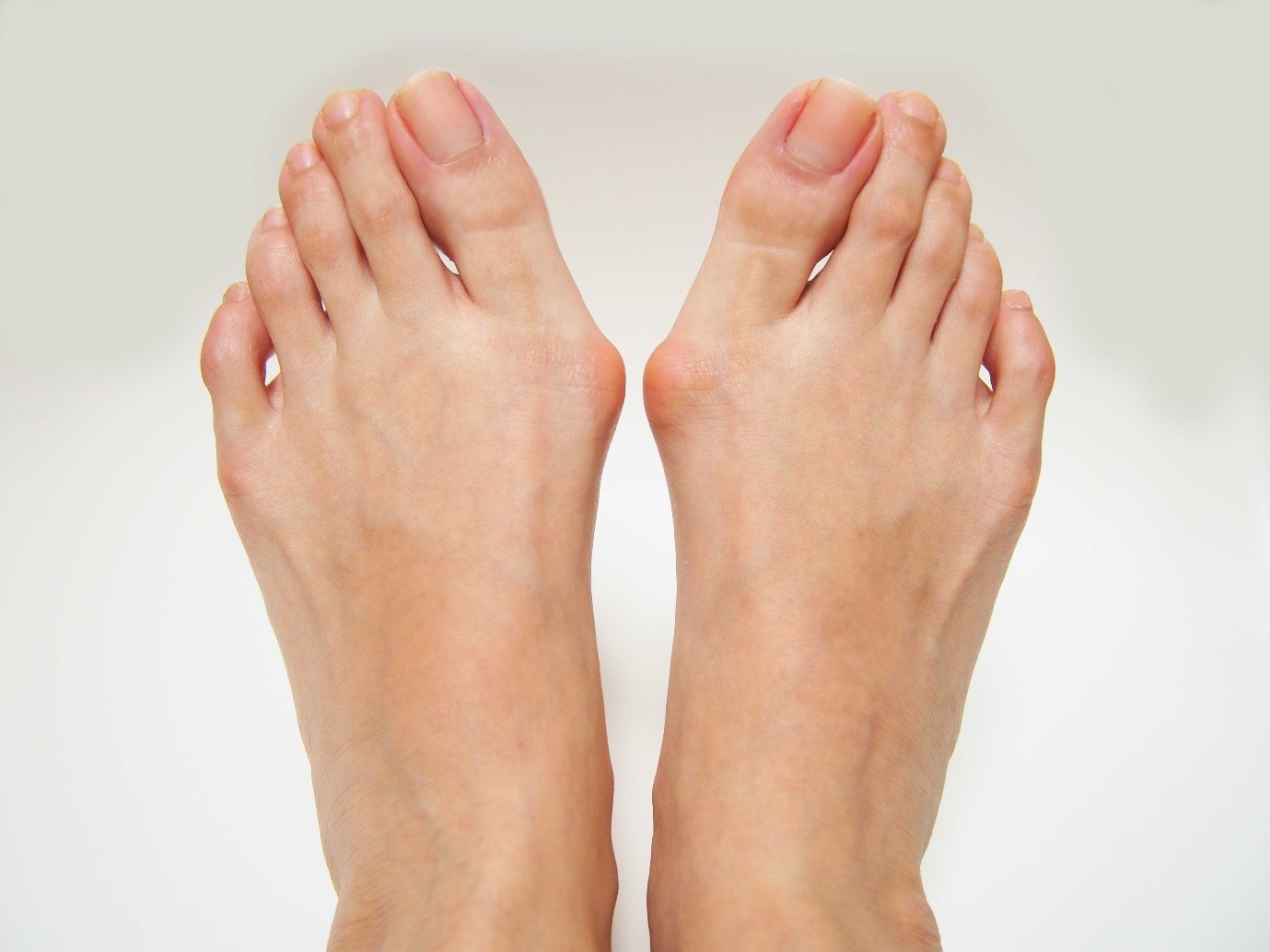
A bunion, known medically as Hallux Valgus, is a bone and soft-tissue deformity of the foot that causes constant or recurring pain and inflammation. The word 'bunion' simply means a 'bump', which describes exactly how it looks: a bony prominence at the base of the big toe, on the inside edge of the foot.
There is also a smaller version at the base of the little toe, known as a Tailor's bunion or bunionette. The name dates back to tailors who would sit cross-legged for long hours, which over time forced the little toe joint out of place.
What Is a Bunion?
A bunion (Hallux Valgus) is a progressive deformity in which the big toe drifts towards the second toe and a bony bump develops at its base. It is far more common in women, strongly linked to footwear, and it tends to worsen slowly over many years if nothing is done.
Why Bunions Hurt
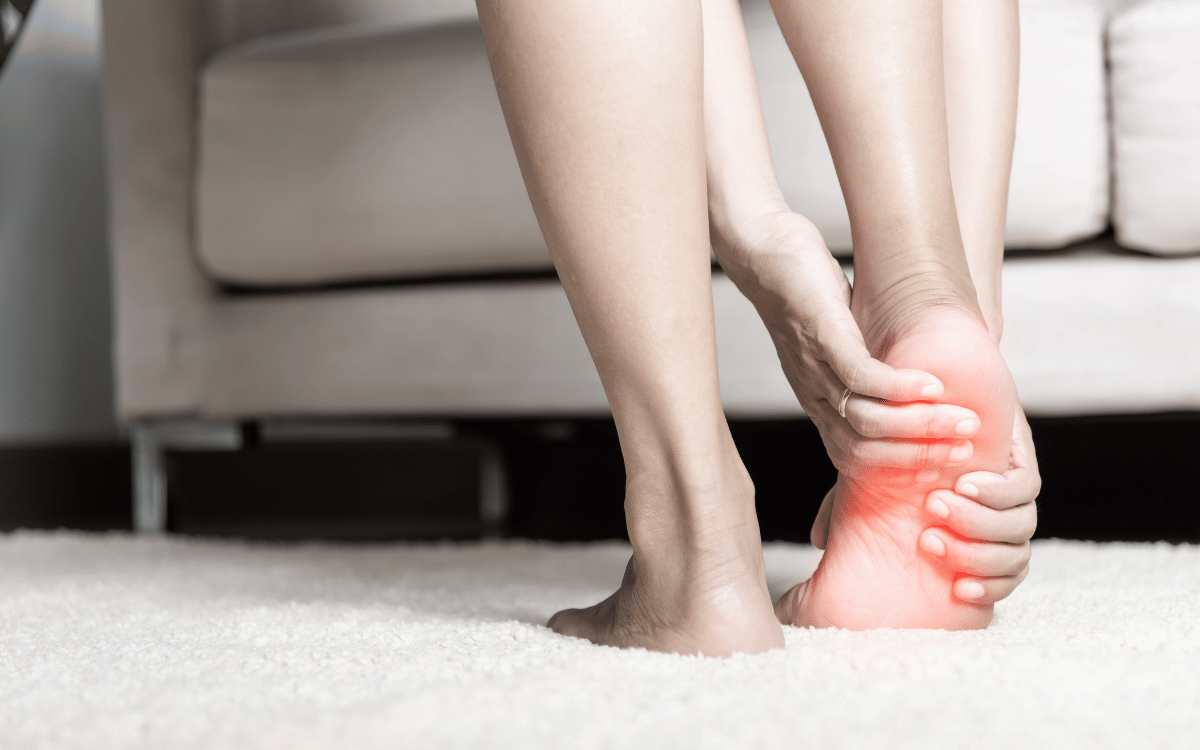
The most common complaint from bunion sufferers is pain and irritation. This is caused by inflammation and swelling in the tissues around the toe joint, and it worsens as the toe is progressively damaged and the bones shift out of position, a process known as subluxation.
A bunion also rubs against tight shoes, which creates further irritation and can lead to blisters or, at worst, an ulcer where the skin breaks down. If that becomes infected, and particularly if you have diabetes or poor circulation, it can turn serious very quickly.
Don't Ignore a Broken-Skin Bunion
If the skin over a bunion breaks down into an ulcer and becomes infected, there is a real risk of septicaemia (blood poisoning), which is one of the leading causes of death worldwide. Anyone with diabetes or poor circulation should have an infected or ulcerated bunion seen urgently.
6 Tips to Ease Bunion Pain
As with any foot pain, the best first step is to see an HCPC-registered podiatrist. Alongside professional care, here are six things you can do to reduce bunion pain yourself.
The Six Tips at a Glance
1. Start With a Foot Soak
A cool foot soak is a cheap and easy way to soothe sore, irritated feet. If you do not have a foot spa, any clean basin will do. Add a few tablespoons of ordinary table salt, Epsom salts or your favourite bath salts, fill it with cool or lukewarm water to cover the ankles, and soak for 10 to 20 minutes. It takes the heat out of an inflamed joint and eases the discomfort.
2. Stretch the Toe
Stretching helps sore joints, and that includes the toes. Sitting comfortably, use a rubber band, a strap, or your hands to gently take the big toe through a comfortable range of motion, holding for about 30 seconds and repeating a few times. Try gently stretching the big toe away from the second toe as well. Stop if the pain worsens, but done regularly this encourages blood flow to the joint and gives lasting relief.
3. Try a Topical Analgesic
There are many pain-relief gels and creams available in shops and online. Many contain menthol or camphor, which create a cooling sensation and are known as rubefacients. Others contain capsaicin, a compound derived from chilli peppers that temporarily blocks pain signals in the area where it is applied. Rub it in thoroughly so the skin absorbs it properly.
4. Use a Bunion Splint or Toe Spacer
A range of bunion-relief devices, such as splints and toe spacers, can reduce swelling and inflammation by taking stress off the toe joint. The main thing to remember is that you will need a comfortable, roomy shoe that can accommodate the device.
5. Get the Right Shoes
Having your feet measured is not just for children. Feet change shape and size throughout life, so it is worth measuring both length and width. A bunion gradually widens the forefoot, so a wider-fitting shoe is often needed. Forget the old orthopaedic look; brands such as Hotter and Joya make far more stylish wide-fitting options, and a good trainer will happily accommodate the toe. If a favourite pair is too tight over the bunion, a shoe-repair shop can often stretch that area.
The Golden Rule of Bunion Footwear
Choose a soft, wide, lace-up or Velcro shoe with plenty of room across the toes. If a shoe is wide enough at the forefoot but loose at the heel, a three-quarter-length arch support will improve the fit. The right shoe does more to slow a bunion than almost anything else.
6. Consider Custom Orthotics
A podiatrist takes a plaster-of-Paris mould of the foot in what we call a 'neutral' position. From this, a custom orthotic is made that distributes your weight evenly and takes excess pressure off the bunion itself. Orthotics are an investment, but they last for years and, by correcting the underlying mechanics, they help stop the bunion getting worse as you age. Think of an orthotic as a bridge that supports the arch and carries your weight as you walk.
Correcting the Cause, Not Just the Symptom
Because a bunion is driven by the way the foot loads and rolls, custom orthotics tackle the root cause rather than just the pain. They will not reverse an established bunion, but they can slow its progression and make walking far more comfortable.
Look After Your Feet
Remember that bad feet can genuinely shorten your life, because as we get older we rely on our feet more than ever to keep us mobile. As the saying goes, stagnation is death and movement is life.
And without wanting to sound cliché, when your feet hurt, you hurt all over. You only have one pair, so take good care of them and they will take care of you. If your bunion is painful, book a foot check-up and we will assess it properly.
Our Service
Custom-Made Orthotics
Bunions are driven by the way your foot loads and rolls. Custom orthotics redistribute that pressure, ease the pain and help slow the deformity, taken from a plaster cast of your foot held in neutral position. From £595, including biomechanical assessment and fitting.
GRAYS FOOT CLINIC
Ready for Expert Care?
HCPC-registered podiatrists in Holborn, London. Est. 1986.