So many of my patients come to me with painful feet, and a great many foot conditions are either biomechanical or caused by wearing unsuitable footwear. The trouble is that untreated foot problems rarely stay in the feet. They can lead to a whole host of painful conditions elsewhere in the body: the knees, hips, spine, shoulders and even the jaw.
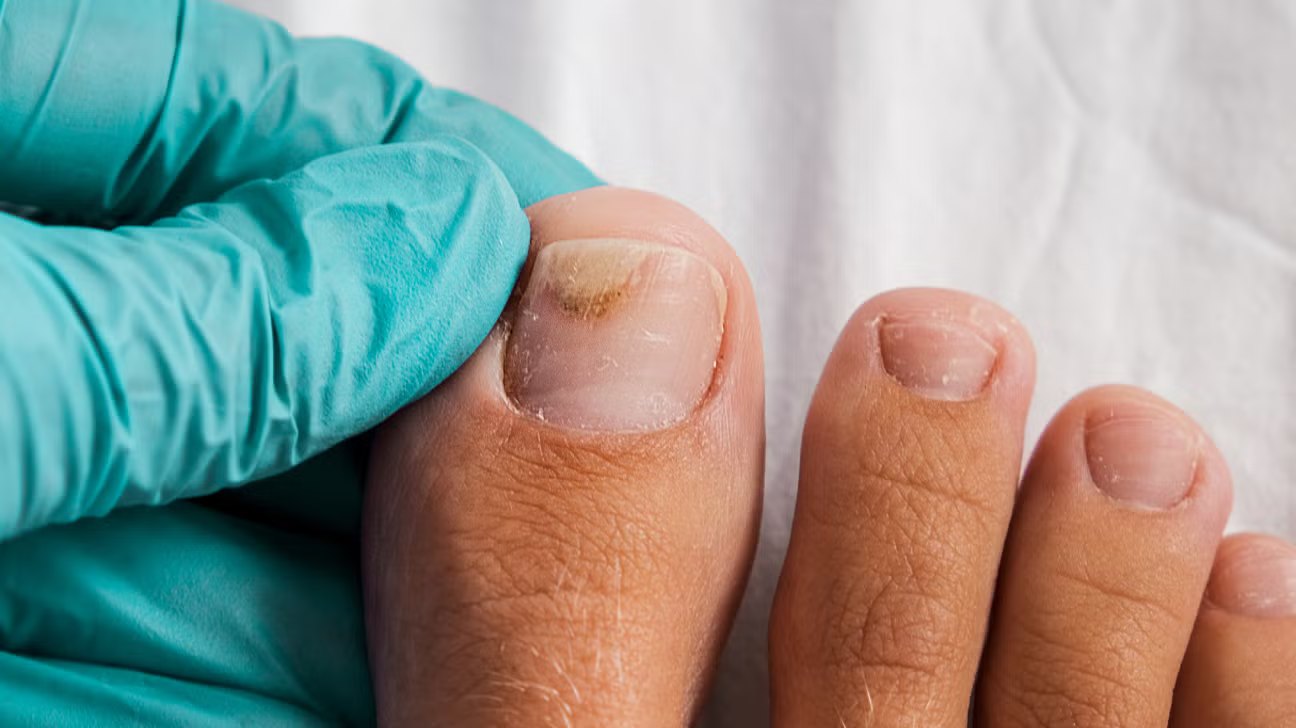
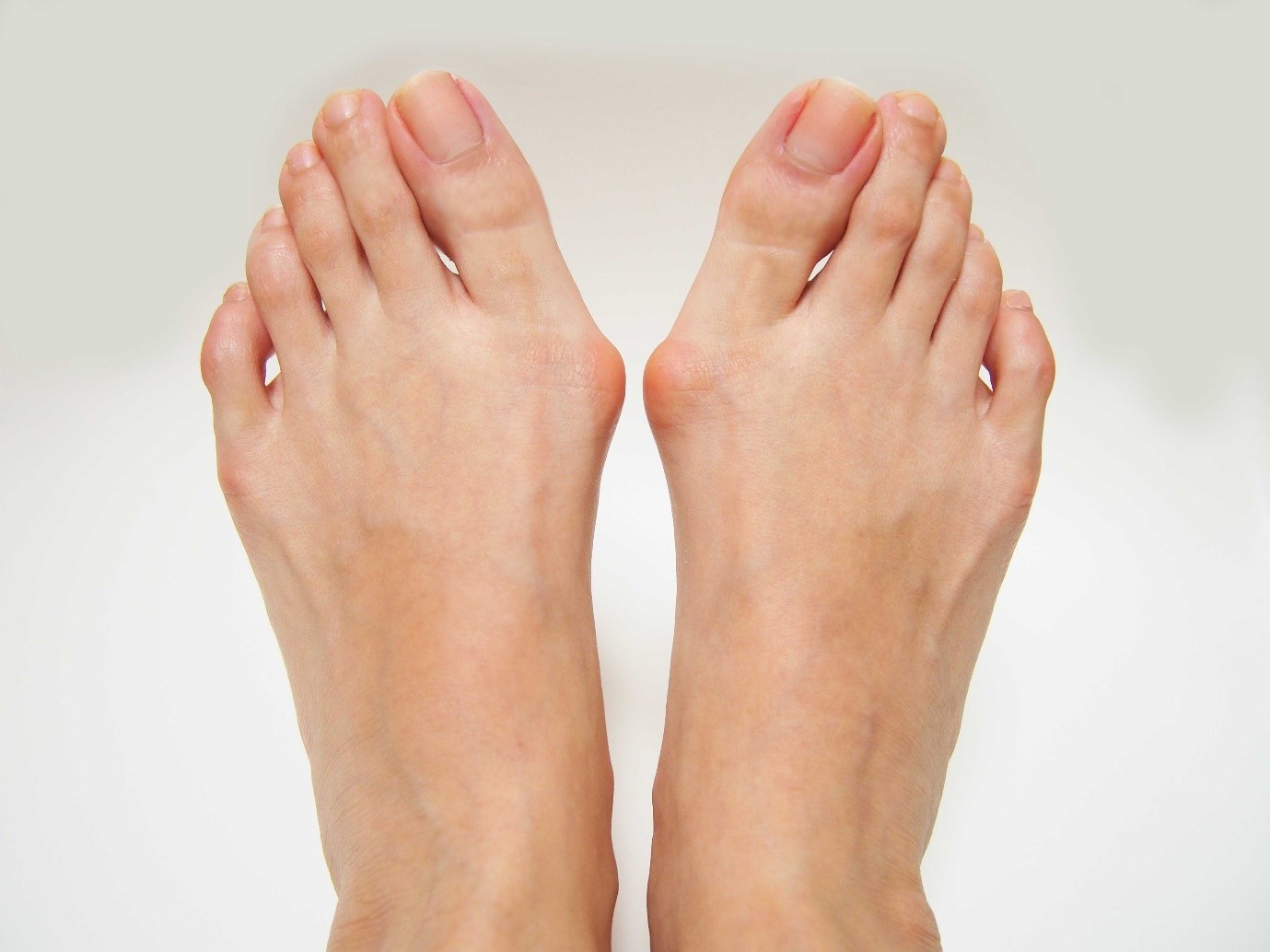
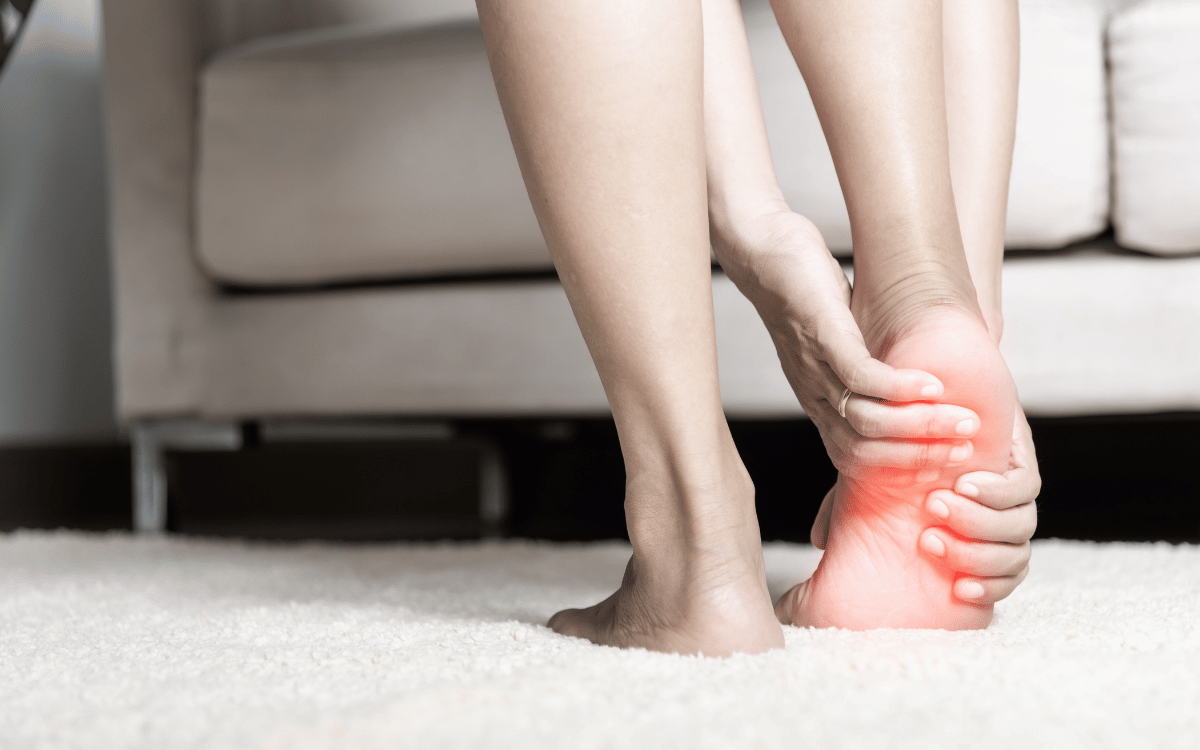
Mobility is paramount, especially as we age. Imagine having a foot problem such as a painful corn, plantar fasciitis (pain in the arch of the foot), a bunion, or an ingrown toenail. Now imagine leaving it untreated. These problems only worsen, and the inactivity that follows can genuinely shorten your life.
Why You Hurt All Over
The body works as a chain. When a sore foot changes the way you walk, everything above it, the knees, hips, back and jaw, has to compensate. Treat the foot early and you protect the whole chain.
What Causes Bad Knees?
I often tell my patients that they are accentuating the negative because of untreated foot issues. If, for example, someone comes to me with a painful corn under the ball of the foot, it causes them to limp, and that limp quickly produces pain in the knee as well.
Why would painful feet cause knee pain? It is largely linked to flat or in-rolling feet. As the body ages, the feet tend to spread out and flatten, giving the appearance of fallen arches. In podiatry we call this excessive pronation at the subtalar joint. The more the feet roll inwards, the more problems develop, because most foot conditions are progressive and will only worsen without some form of treatment or intervention.
The Friction That Creates Corns
It is worth looking at the friction applied to the feet, because it lies behind the majority of foot conditions. Shoes that are too tight cause shearing, a rubbing type of friction. This irritates the skin covering the joints of the feet, and over time that accumulated pressure builds into a corn.
If the feet are also flat, badly fitting shoes make everything worse. Many of the patients I see wear slip-on or ill-fitting shoes with no depth or width to accommodate the foot, so the foot is simply squeezed in. That, again, accentuates the negative and drives the corns and other problems on.
Footwear That Actually Fits
A shoe needs enough depth and width to hold your foot without squeezing it. Slip-ons and shallow, narrow styles force the foot into a space that is too small, which is exactly what drives corns and rubbing. Look for a supportive, adjustable shoe with room across the toes.
How We Remove Corns
The first objective is to get rid of the corns and stop them coming back. At Grays Foot Clinic we use a combination of scalpels and drills to remove them as painlessly as possible. Getting rid of corns is one of our main aims.
After that, some footwear advice is usually needed, because the wrong shoe will simply undo the treatment and let the corn return.
Leg Length Discrepancy (LLD)
In my opinion, most foot conditions and mechanical problems in the body have a strong link to what is called Leg Length Discrepancy, or LLD, where one leg is quite literally longer than the other.
Around 90% of the population need no intervention at all, because the difference between the two legs is less than 2cm. Anything more than 2cm, however, should be assessed and evaluated by a professional such as a podiatrist, GP or surgeon. My own view is that an LLD only needs treating when it is genuinely causing problems in the toes, feet, ankles, knees, or the joints above them.
Most People Never Need to Worry
About 90% of people have a leg length difference of less than 2cm and need no treatment for it at all. It is only when a larger discrepancy starts causing pain up the chain, in the feet, ankles, knees, hips or back, that it needs addressing.
The Biomechanical Assessment
So what do we actually do? First, we watch the patient standing in a particular way. Then we lay them on a plinth and measure the leg length discrepancy, if there is one. Wobbly ankles, flat feet, bunions, and pain in the arch or ball of the foot are all investigated at the same time.
Very often, the way forward is to take plastercast moulds of the feet so that bespoke orthotics can be made. The long-term aim of wearing custom orthotics is to help you avoid foot, ankle, knee, hip and back surgery, and to improve your general health and mobility, which in turn can lead to a longer, more active life.
Movement Is Life
As I always tell my patients: movement is life, but stagnation is death. Keeping you moving comfortably is the whole point of everything we do here.
How Your Custom Orthotics Are Made
A plastercast mould is taken of both feet. I then discuss with the patient which devices I will create and the materials I will use, which might be poly nylon, polyurethane, rubber or cork. The length of the orthotic matters too, especially for particular shoes and particular conditions.
We also talk about the top cover. Many patients choose black vinyl because it is easy to clean and maintain, though there is a good range of colours to choose from. Once that is settled, we go through any modifications that might be needed.
Modifications We Can Build In
Two Pairs, and Breaking Them In
I generally recommend two pairs of orthotics, because a device made for sport will not necessarily suit work or formal shoes. After the treatment session, the casts are sent to the manufacturer and your handmade orthotics are fitted 5 to 10 days later, with clear instructions on how to wear them.
Orthotics can take 6 to 12 weeks to break in, but once patients are used to them, they usually wonder how they ever managed without them.
Give Them Time to Break In
New orthotics need a gentle break-in period of 6 to 12 weeks. Build up your wearing time gradually rather than wearing them all day from the start. Your feet are re-learning how to load correctly, and the patience is well worth it.
Look After Your Feet
Remember, when your feet hurt, you hurt all over. Looking after your feet is one of the simplest and most effective things you can do for your whole body, and for staying mobile and independent as you get older.
If any of this sounds familiar, book a biomechanical assessment as soon as you can. The sooner we catch these problems, the easier they are to put right.
Our Service
Custom-Made Orthotics
Painful feet that are starting to affect your knees, hips or back? A biomechanical assessment measures how you stand and move, and bespoke orthotics correct the problem at its source. Plaster-cast moulds, hand-made devices and a follow-up fitting. From £595.
GRAYS FOOT CLINIC
Ready for Expert Care?
HCPC-registered podiatrists in Holborn, London. Est. 1986.