From the Palm Beach Post, 13th January 2013: the No. 1-ranked women's tennis player Victoria Azarenka was forced to withdraw from the semi-finals of the Brisbane International tournament due to a foot injury she blamed on a "bad pedicure experience."
What is the most you would pay for a pedicure? Perhaps £50, or £100 if it included a foot massage and some reflexology? Azarenka missed out on between $22,000 and $138,000 in potential prize money because her right big toe had become infected after a pedicure-gone-wrong.
At first glance it is tempting to dismiss this as an unusual case. However, fingernail and toenail-borne infections are nothing to laugh at.
Clinical Warning
Never visit a commercial nail bar for an active ingrown toenail. Contaminated instruments can introduce serious infection that may require hospitalisation. For diabetic patients, the risk extends to life-threatening sepsis and even amputation.
What I Have Seen as a Podiatrist
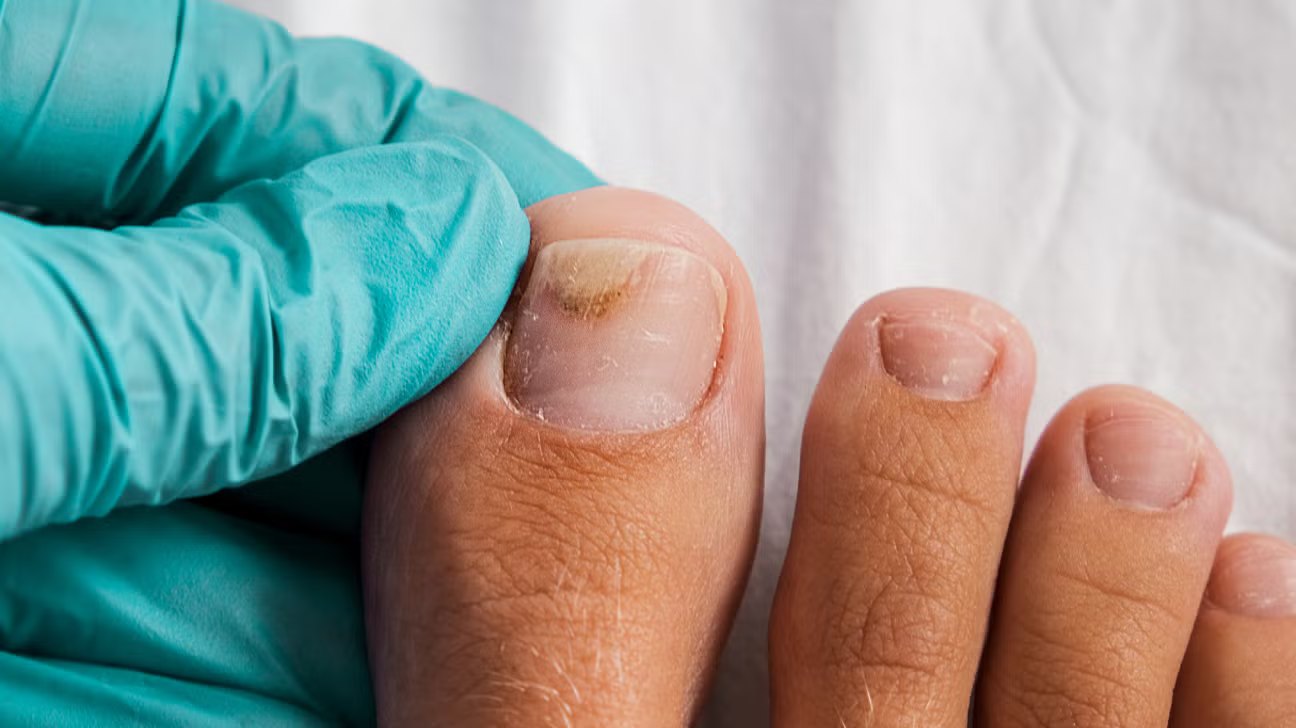
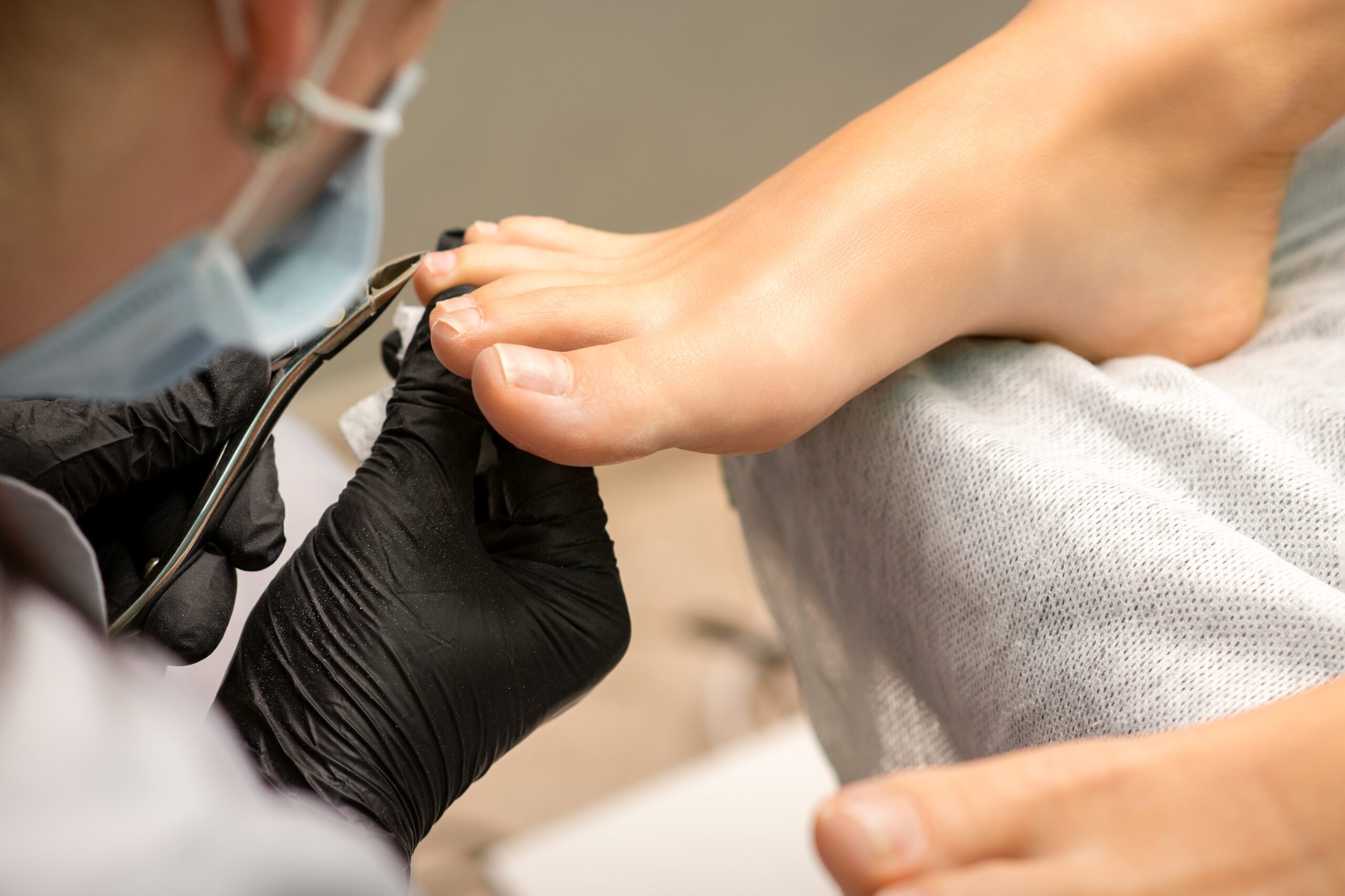
In my 40+ years as a foot surgeon and podiatrist, I have seen numerous cases of "bad pedicures" where the pedicurist cut too deep, dug into the nail bed with a dirty instrument, or cut away hard skin leaving the foot raw with a low-grade infection. In most cases these were high street nail bars and the patient certainly pays for what they get.
I have had to put patients on medication, give them tetanus shots, and in some cases hospitalise them so they could receive intravenous drips, all after contracting infections from professional pedicures. The infections encountered include a dermatological version of tuberculosis. These are serious bacterial infections that can become life-threatening if left untreated.
In London, many nail shops I see that offer pedicures appear far from clinically clean. Instruments are often kept in a dish with very little fluid that may or may not be antiseptic. These are a harbour for bacteria that then spread from foot to foot.
Why Diabetic Patients Face Greater Risk
For patients with diabetes, the risks associated with a poorly performed pedicure are far greater. Reduced circulation and compromised immune function mean that even a minor cut or infection can escalate rapidly to sepsis. In the worst cases, this may lead to amputation.
Sepsis is one of the biggest killers in the world and a badly infected toe can shorten your life, because bacteria grow and spread fast throughout the body. If you have a medical condition such as Diabetes Mellitus, be extra careful about who treats your feet.
Especially High Risk for Diabetic Patients
Diabetic patients have compromised circulation and immune function. Even a minor infection from a pedicure can escalate rapidly to sepsis. If you have diabetes, professional podiatric care in a fully sterilised clinical setting is not optional. It is essential.
Safety Recommendations
If you do choose to visit a nail salon, there are steps you can take to reduce your risk significantly:
- Verify that all instruments are properly sterilised before use. Watch it being done, or request it be done again in front of you
- Seek personal recommendations from trusted contacts rather than choosing a salon at random
- Do not let the pedicurist do too much. Cutting nails and cuticles too deeply, or removing calluses, is where the trouble can start
- Bring your own nail polish to prevent cross-contamination between clients
- Apply the same cleanliness standards to nail salons that you would to a restaurant kitchen. If you would not eat off those tools, do not let them near your feet
The Professional Alternative
I absolutely recommend that you see an HCPC-registered podiatrist for any foot concern, because in the long run it will work out cheaper and you will have peace of mind. My own clinic steriliser cost over £5,000, and I keep a printed record of each sterilisation session as part of my clinical standards and policy.
For ingrown toenails specifically, ingrown toenail removal via the Partial Nail Avulsion (PNA) procedure is the gold standard treatment. It is performed under local anaesthetic using fully sterilised instruments in a clinical environment. The procedure permanently resolves the ingrown nail in the vast majority of cases, with minimal discomfort and a short recovery time. That is the safe, effective, and medically appropriate treatment. Not a pedicure.
About the Partial Nail Avulsion (PNA)
The PNA procedure is performed under local anaesthetic using fully sterilised clinical instruments. Most patients report minimal discomfort and return to normal activity the same day. In the vast majority of cases, the procedure permanently resolves the ingrown nail with no recurrence.
Our Service
Ingrown Toenail Surgery
Dealing with an ingrown toenail? Our chair-side Partial Nail Avulsion (PNA) procedure permanently resolves the problem under local anaesthetic — no hospital, no GP referral. From £495, with same-day appointments often available.
GRAYS FOOT CLINIC
Ready for Expert Care?
HCPC-registered podiatrists in Holborn, London. Est. 1986.