For seven years, I held a placement at St John & St Elizabeth Hospital in London. The hospital was built more than 170 years ago, and its charitable status helps to fund an onsite hospice.
That hospice provides palliative and end-of-life care to more than 4,000 patients, supporting people across several London boroughs. Remarkably, it is the only hospice@Home service in London to operate its own ambulance service.
A Place That Stays With You
Working within a hospice changes you. It is a place of extraordinary care and dignity, and the seven years I spent there were among the most meaningful of my career.
Chemotherapy and the Feet
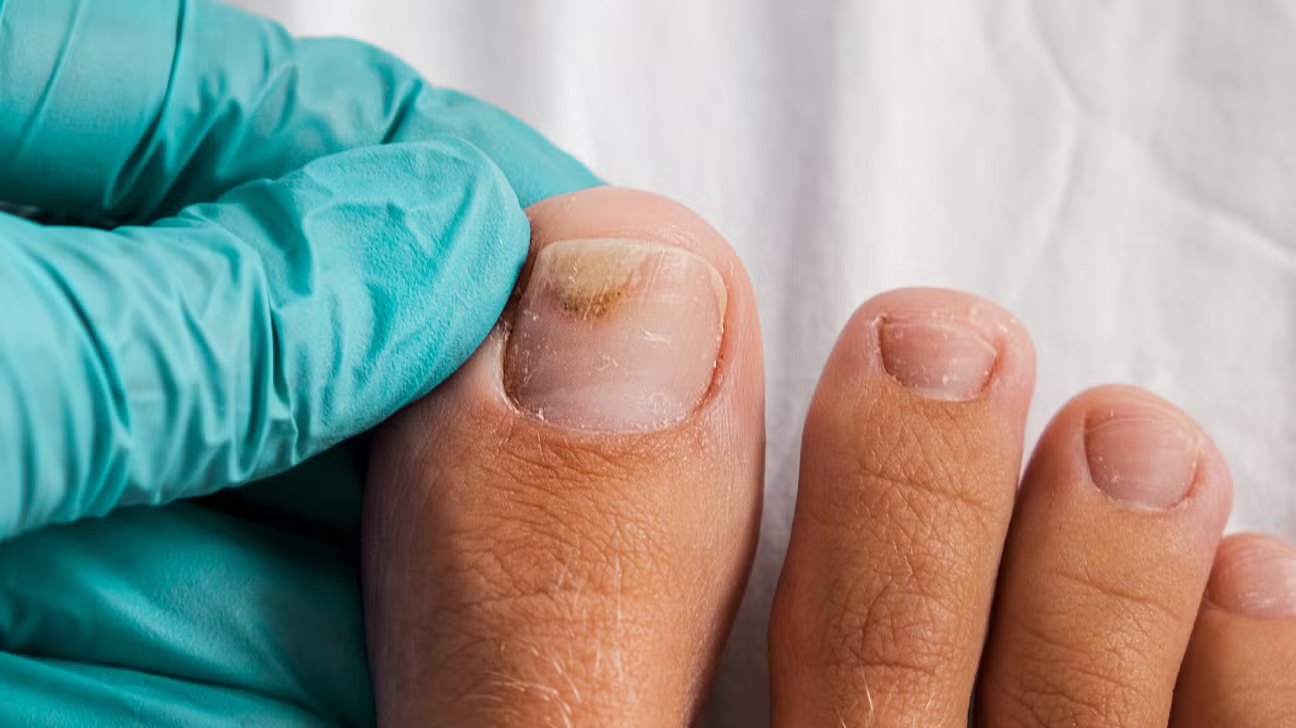
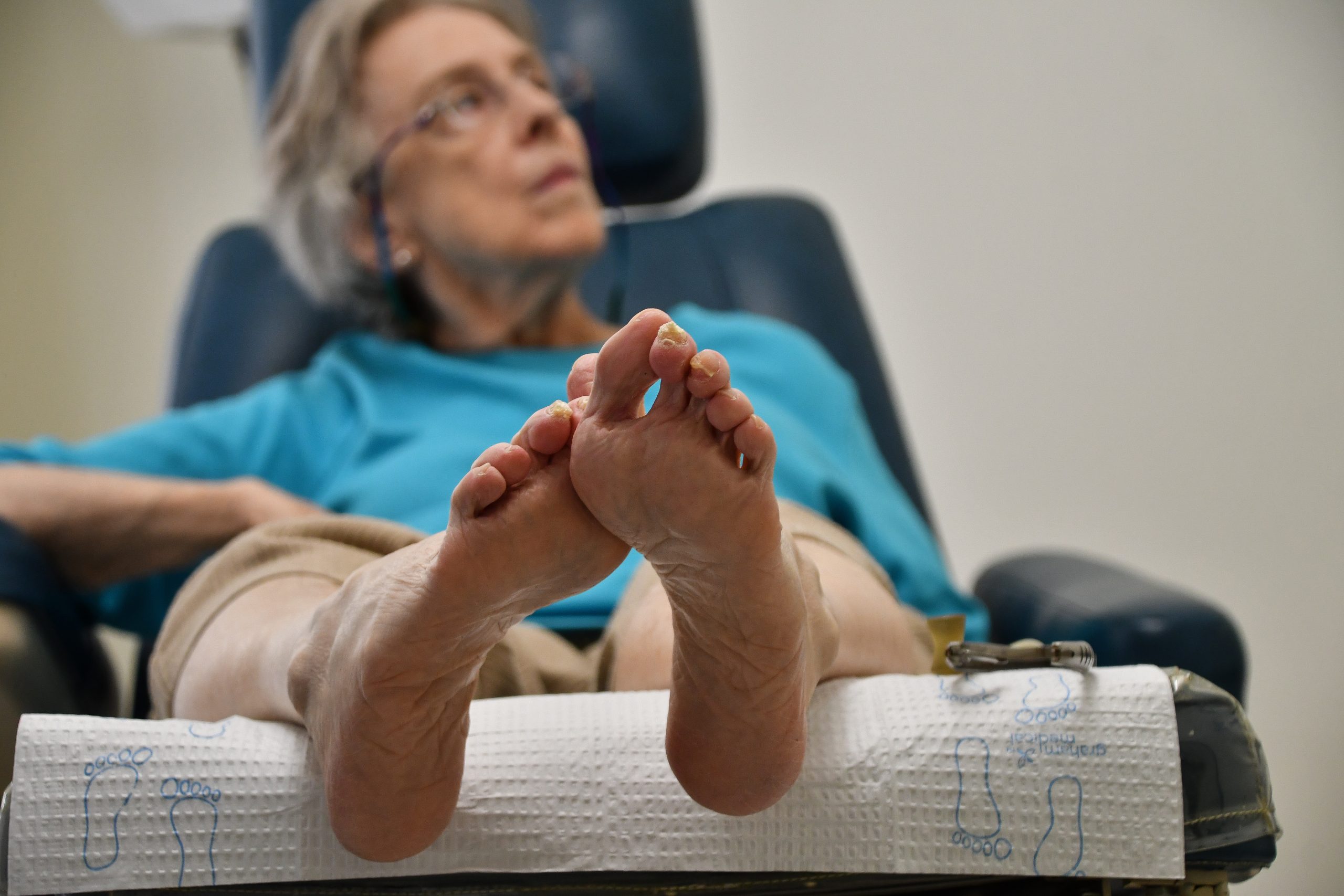
I really enjoyed treating patients at the clinic I set up there, and a great many of them had foot problems associated with chemotherapy. Most commonly these were dry-skin conditions and neuropathy, which is damage to the nerves.
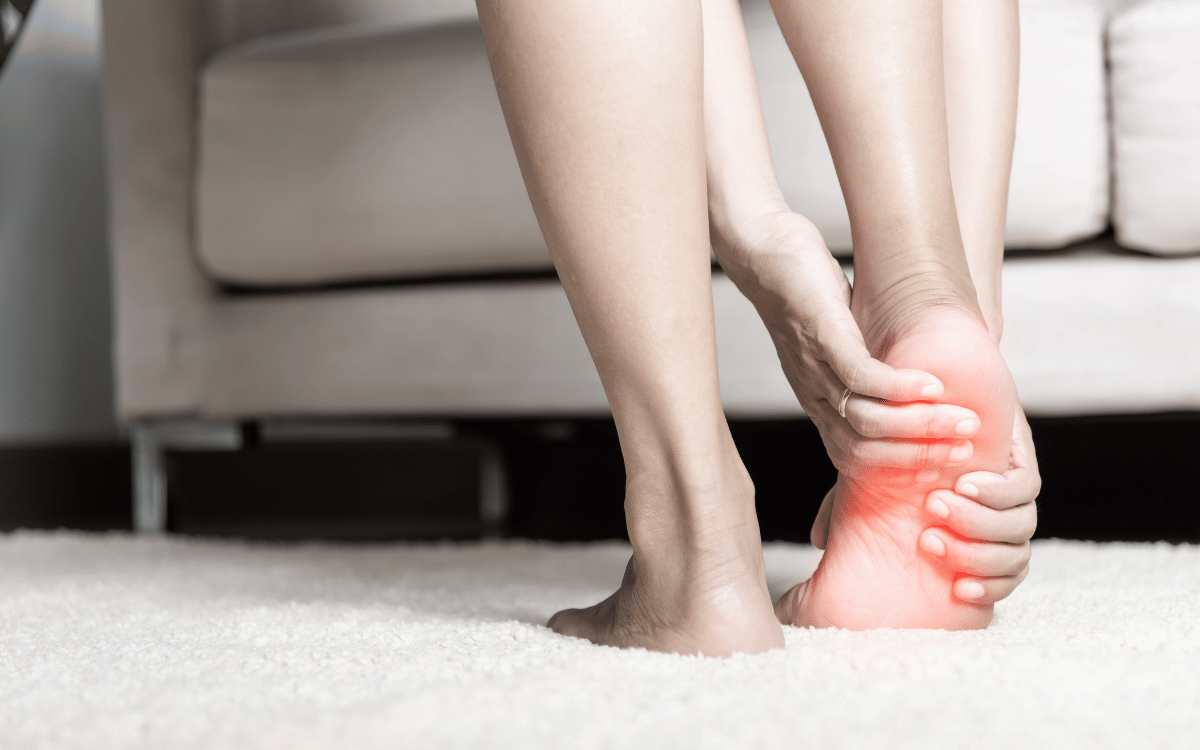
The side effects vary from person to person. Some patients describe a tingling feeling in the legs, feet and toes, or numbness. Others experience the opposite: pain, a burning sensation, or weakness in the feet and toes.
Common Signs of Chemotherapy-Related Neuropathy
Why It Needs Regular Podiatry Care
The feet can become very red, and excess or peeling skin can become a serious issue. Because these problems are often long-term, they need podiatry treatment on a regular basis to prevent infection, sepsis and lasting damage to the feet.
Circulation problems also appear, caused by the leakage of chemotherapy drugs from the tiny capillaries, which can irritate the surrounding skin. The good news is that these problems often clear up completely once the medication has ended.
The Risk of Infection
Cracked, peeling or broken skin is a doorway for infection, and in someone whose immune system is already weakened by chemotherapy, an untreated foot problem can escalate quickly to sepsis. Regular professional foot care is not a luxury here. It is a genuine safeguard.
Prevention Is the Key
As with most foot problems, prevention is far better than cure, and a few simple changes make an enormous difference.
Four Simple Steps
Protect Your Feet
Wear a shoe that genuinely fits: wide-fitting, with a deep toe box, and above all supportive and well-cushioned. Pair it with seamless, gentle-grip socks to help prevent blistering.
This matters even more when there is numbness, because reduced sensation makes it much harder to feel a small foreign body, a seam, or an ill-fitting area inside your footwear before it causes damage.
Check Inside Your Shoes
If you have any numbness in your feet, get into the habit of checking inside your shoes with your hand before putting them on, and inspecting your feet each evening. You may not feel a small stone or a rucked seam, but you can see the mark it leaves.
Avoid Extremes of Temperature
Keep your feet out of hot water. Nerve damage reduces your ability to feel temperature, which leaves your feet vulnerable to scalds and burns without you realising.
It is just as important to protect the feet from extreme cold, which can make neuropathy symptoms worse and lead to conditions such as chilblains and broken skin.
Test the Water Another Way
If you have neuropathy, never judge bath or footbath temperature by how it feels on your feet. Use your elbow, or better still a thermometer. Burns from water that felt fine are among the most common and most preventable injuries I see.
Moisturise Every Day
I tell my patients to apply a quality, fragrance-free cream such as CCS or E45, or a specialised emollient, to stop the skin cracking and drying out.
Water-based creams, such as those containing urea, are absorbed much more easily into the skin than many emollients, which often contain lanolin and take longer to be absorbed.
Where Not to Apply Cream
Moisturise the tops and soles of the feet, but avoid creaming between the toes. Trapped moisture there encourages the skin to break down and fungal infection to take hold. Keep between the toes clean and dry instead.
Tell Your Oncologist About New Symptoms
It is very important to tell your oncologist immediately if you develop new or worsening symptoms, such as numbness, pain, or difficulty balancing on your feet.
They can assess your symptoms and, if necessary, adjust your medication or chemotherapy dosage, or prescribe medication such as neuropathic pain relievers to improve your quality of life.
You Are Part of the Team
Your oncologist, your podiatrist and you are all on the same side. Reporting a change early gives the whole team the chance to act before a small problem becomes a serious one.
Our Service
Podiatry & Chiropody
If you are going through chemotherapy, regular professional foot care helps protect against infection, manages dry and peeling skin, and keeps neuropathic feet safe. Our HCPC-registered podiatrists provide gentle, thorough care. From £100.
GRAYS FOOT CLINIC
Ready for Expert Care?
HCPC-registered podiatrists in Holborn, London. Est. 1986.