Flat Feet (Excessive Pronation)
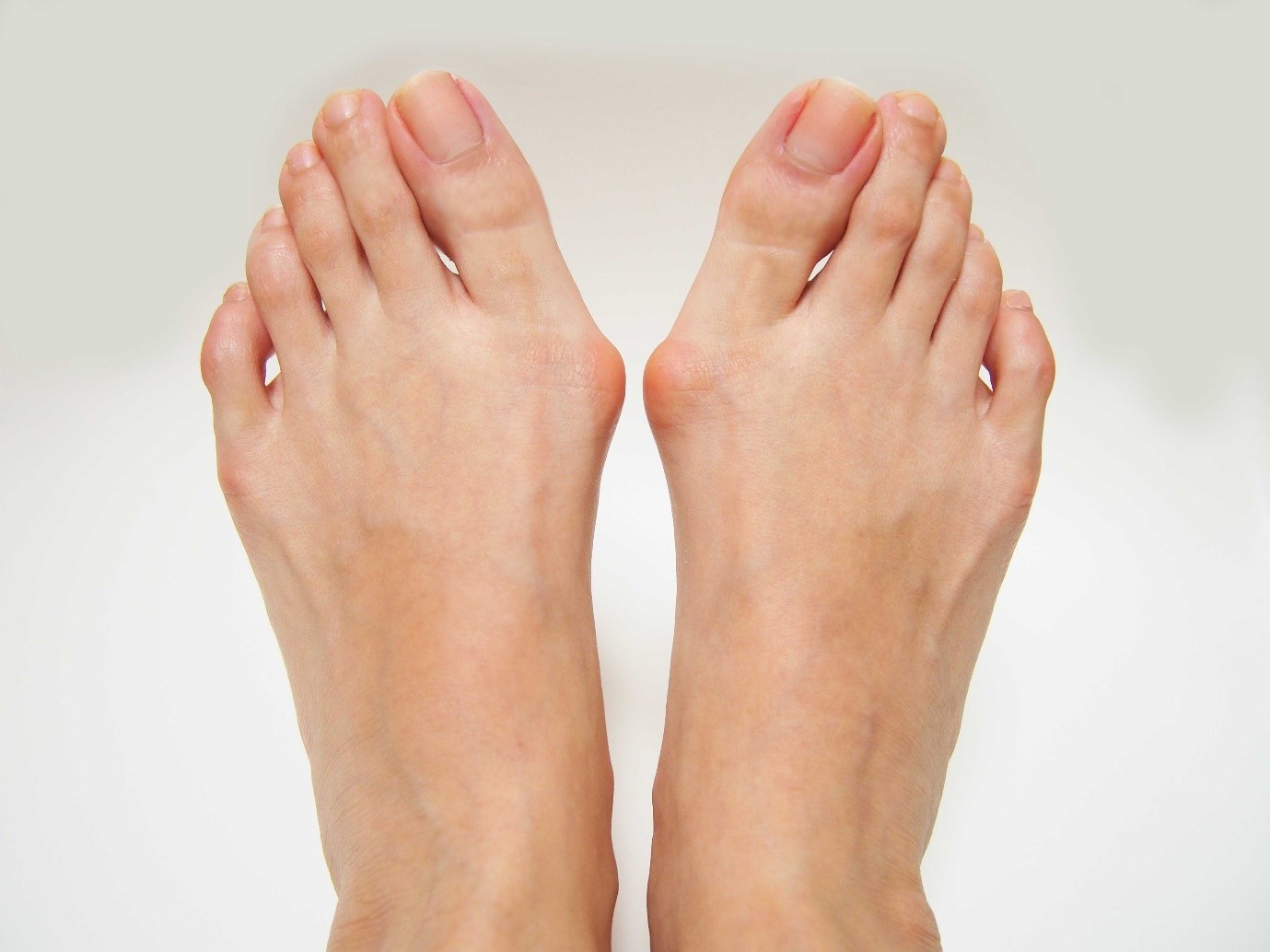
Excessive pronation is an underlying cause for a number of foot and ankle issues. The most common of these includes the formation of bunions and hammertoes, heel pain, Achilles tendon pain, and a number of soft tissue overuse injuries such as tendonitis.
Treatment involves creating custom foot orthotics, which are prescription shoe inserts manufactured from a plaster mould of each foot. These are created after measurements are taken with the patient both sitting and standing. A thorough gait analysis, both visual and digital, assesses improper foot motion during walking.
Poor gait can develop into broader issues including jaw grinding, knee problems, hip discomfort, and neck and back pain, potentially leading to osteoarthritis later in life due to abnormal forces on joint surfaces.
Conditions Caused by Excessive Pronation
Plantar Fasciitis
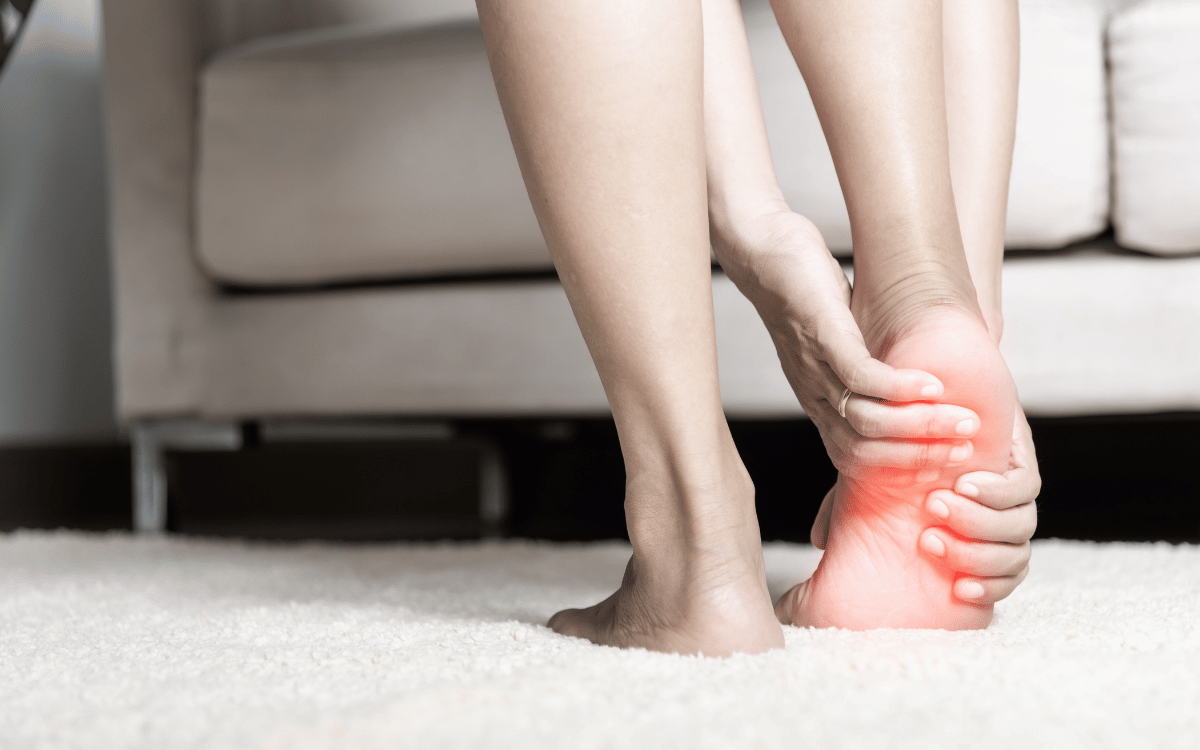
Did you wake up this morning, step out of bed, and feel a sharp, stabbing pain in your arch or the back of your heel? This is one of the most common presentations we see at Grays Foot Clinic. Plantar fasciitis involves inflammation of the plantar fascia, a strong band of connective tissue extending from the heel bone to the toes along the arch of the foot.
Heel pain caused by plantar fasciitis, also called heel spur syndrome, can begin intermittently but progress to consistent, intense pain that may spread to the other foot. The most common cause relates to faulty foot mechanics. People with overly flat feet or high-arched feet are particularly prone, as are those who regularly wear unsupportive footwear such as flip-flops and ballet slippers.
Plantar fasciitis generally responds well to conservative, non-surgical treatment including stretching exercises, medications, padding, strapping, and custom orthotic devices. Early treatment is strongly recommended before the condition worsens.
One of the Most Common Conditions We Treat
Plantar fasciitis typically presents as a sharp, stabbing pain in the heel or arch, most noticeable with the first steps of the morning. Early intervention is key. Left untreated, the condition can become chronic and significantly more difficult to manage.
Heel Spurs (Exostosis)
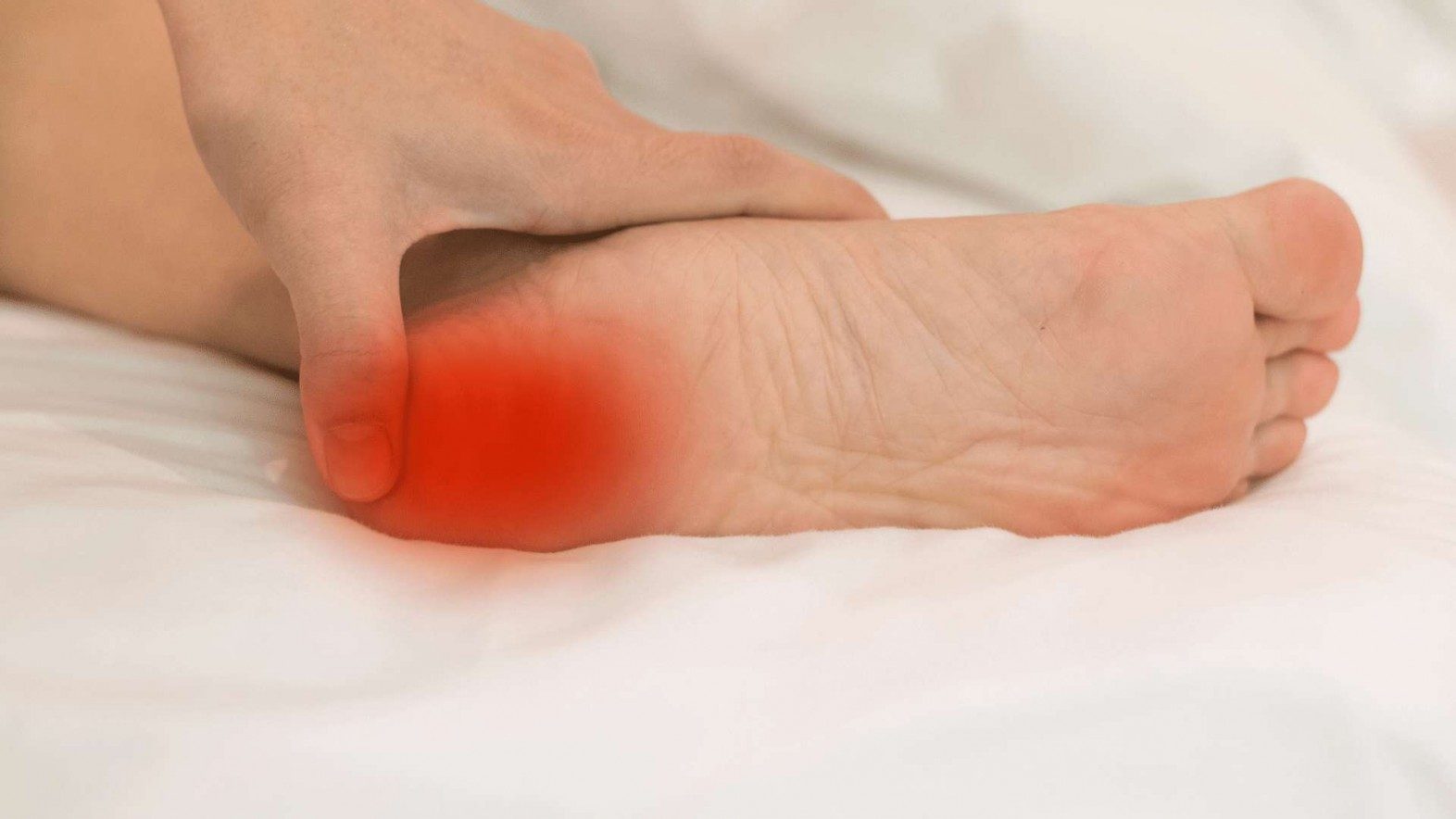
A heel spur represents arthritic bone changes where excess calcium deposits form on the heel bone. Spurs frequently appear in patients prone to arthritis and typically cause no symptoms unless they begin impinging on a joint or appear in a loaded area.
Heel spurs on the bottom of the foot usually cause pain only when the arch muscle (plantar fascia) is also inflamed. Spurs on the back of the heel often cause discomfort from shoe pressure and the impact of walking.
Conservative treatment includes therapeutic padding, cortisone injections, oral anti-inflammatory medications, and rest. Custom orthotics are used to offload painful areas while supporting and balancing the longitudinal arch. Silicone heel cups are particularly helpful. When conservative care fails to resolve the problem, surgical spur removal may be considered.
Immediate Relief Option
Silicone heel cups incorporated into custom orthotics can provide immediate cushioning relief for heel spurs, significantly reducing pain during weight-bearing activity while the underlying condition is managed over the medium term.
Verruca
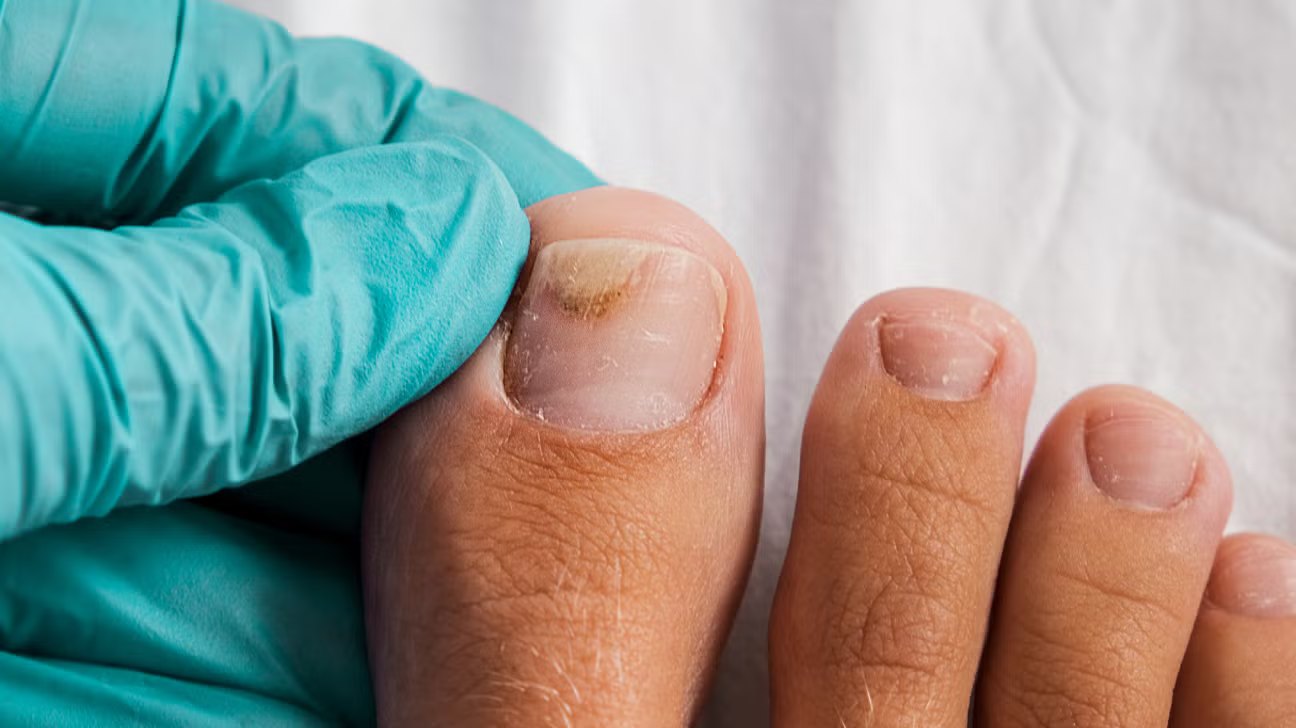
Verrucae typically measure about one centimetre and may display tiny black dots, which are the ends of blood vessels. They do not hurt in the conventional sense but can feel like a pebble under your foot during weight-bearing. It is important to have any unusual skin lesion checked by a professional to rule out other conditions.
Verrucae come from the Human Papillomavirus (HPV). The virus is highly contagious and is most commonly contracted through contact with contaminated surfaces. The virus can survive for extended periods without a human host. Injured or wet skin more readily contracts the virus, making swimming pools and communal changing rooms common transmission locations.
Over-the-counter treatments frequently prove ineffective. At Grays Foot Clinic, professional podiatric treatments using chemical agents and occlusion techniques provide far better long-term results than home remedies.
Preventing Verrucae
Always wear flip-flops or shower shoes in swimming pools, gym changing rooms, and communal showers. Avoid sharing towels, and keep any cuts or grazes covered. Early professional treatment prevents the virus from spreading to other areas of the foot.
Our Service
Podiatry & Chiropody
All of the conditions above — flat feet, plantar fasciitis, heel spurs, verrucae — are treated in a single all-inclusive podiatry appointment at Grays Foot Clinic. HCPC-registered, est. 1986. From £100.
GRAYS FOOT CLINIC
Ready for Expert Care?
HCPC-registered podiatrists in Holborn, London. Est. 1986.