An HCPC-registered podiatrist specialises in diagnosing and treating foot and ankle problems including sprains, fractures, bunions, heel pain, hammer toes, neuromas, ingrown toenails, warts, corns and calluses. Podiatrists also manufacture custom-made insoles called orthotics that correct posture and relieve pain in the knees, hips, back, neck, and jaw.
In over 40 years as a foot surgeon and podiatrist, I have seen some of the most challenging foot conditions imaginable, treating patients ranging from homeless individuals to professional ballet dancers. Here are four of the most common conditions we treat at Grays Foot Clinic.
Calluses and Corns
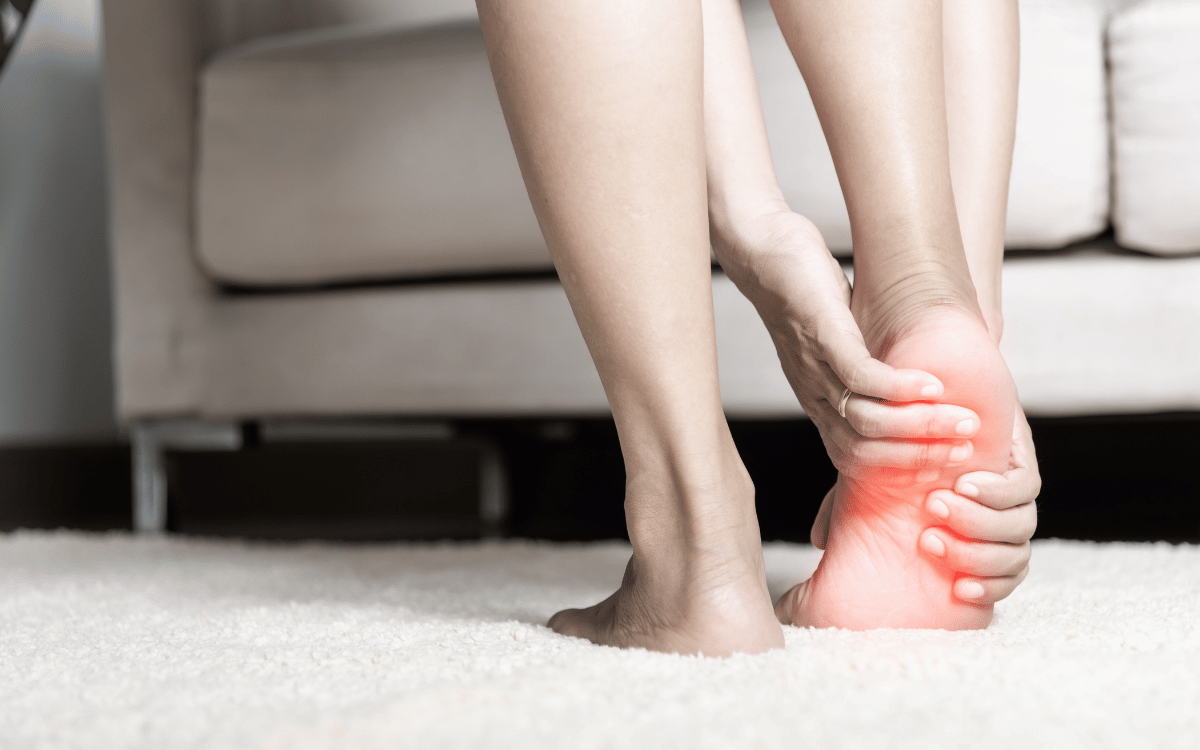
Calluses and corns are areas of thickened skin that typically appear across the ball of the foot, heel, or outer big toe. They develop in response to repeated friction and pressure as shoes rub against bony prominences. The skin thickens as a protective mechanism.
Small amounts of friction over extended periods cause corns or calluses. Greater pressure over shorter timeframes can cause blisters or open sores. If left untreated, corns can become vascular or develop nerve fibres, making removal more difficult and causing painful recurrence.
Treatment involves carefully paring down the hardened tissue and applying protective padding to reduce further pressure. Where the underlying cause is biomechanical, such as an abnormal walking pattern, we may prescribe custom orthotics to redistribute foot pressure and prevent recurrence.
Important for Diabetic Patients
For most people, calluses and corns are a nuisance rather than a danger. However, for diabetic patients, they can mask deeper tissue damage and lead to ulceration. Regular professional podiatry is strongly recommended if you have diabetes.
Ingrown Toenails
Contrary to popular belief, improper nail cutting is not usually the main cause of ingrown toenails. Often the toenail is simply too wide for its nail bed. Pressure triggers an inflammatory response resulting in pain, swelling, and redness.
An often overlooked cause is overpronation, where the foot rolls excessively inward as the arch flattens during walking. With each step, the great toe receives excessive pressure, forcing it toward the second toe and pushing the nail edge into the surrounding soft tissue.
Our primary treatment is the Partial Nail Avulsion (PNA) procedure, performed under local anaesthetic. The offending section of nail is removed and the nail bed is treated with phenol to permanently prevent regrowth. This is a highly effective, permanent solution for the vast majority of patients.
Gold-Standard Treatment
The Partial Nail Avulsion is a minor surgical procedure performed under local anaesthetic. It permanently resolves the ingrown nail in the vast majority of cases, with minimal downtime. Patients typically return to normal footwear within a few days.
Hallux Valgus (Bunions)
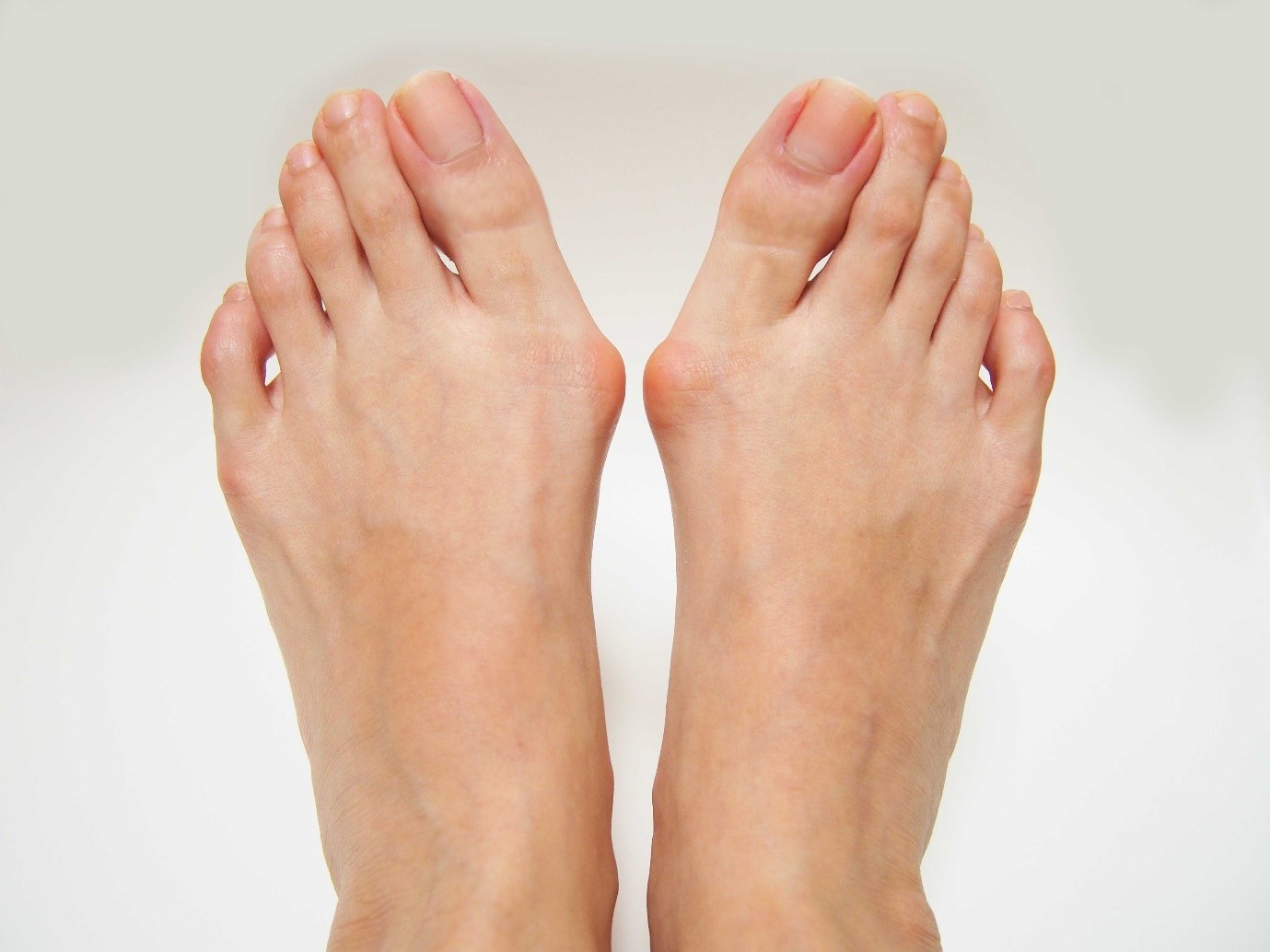
The big toe, known as the hallux or first ray, may deviate inward toward the baby toe in a condition called Hallux Valgus. As the big toe drifts, a bony prominence develops on the inner edge of the metatarsal head, forming the bunion. This causes pain and progressively limits mobility.
While only around 2% of bunion cases are hereditary, inappropriate footwear can cause or significantly aggravate the condition. The deformity is far more common in women and rarely occurs in populations that do not wear shoes, strongly suggesting a biomechanical and lifestyle cause. The deformity progresses slowly over many years if left unaddressed.
We treat bunions through joint manipulation, custom orthotics to correct the underlying mechanics, and expert guidance on appropriate footwear. We generally advise strongly against surgical intervention due to the significant complication risks associated with bunion surgery. The foot contains 26 bones, and removing or realigning them can trigger new problems as the remaining structures adapt.
Footwear Matters
Wide-fitting shoes with a low heel and adequate toe room can significantly slow the progression of bunions. Avoid pointed or narrow-toed footwear, which places direct lateral pressure on the bunion joint and accelerates the deformity.
Fungal Toenail Infections (Onychomycosis)
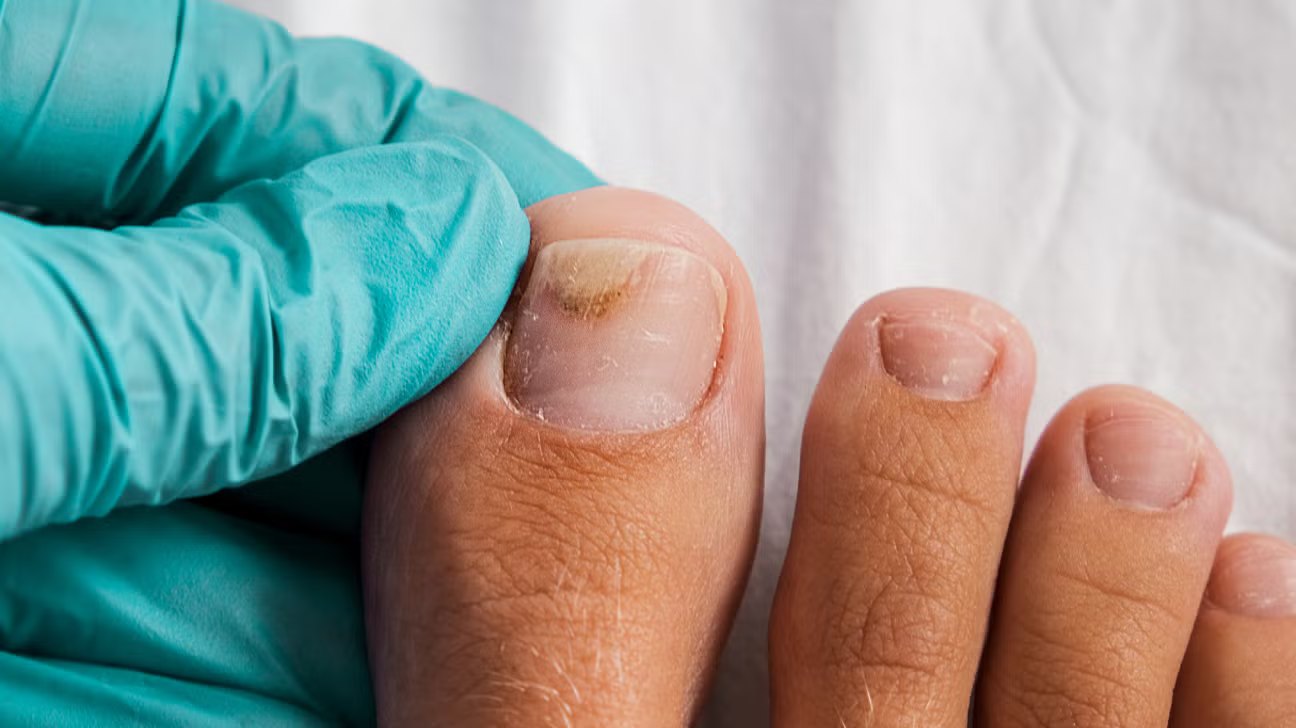
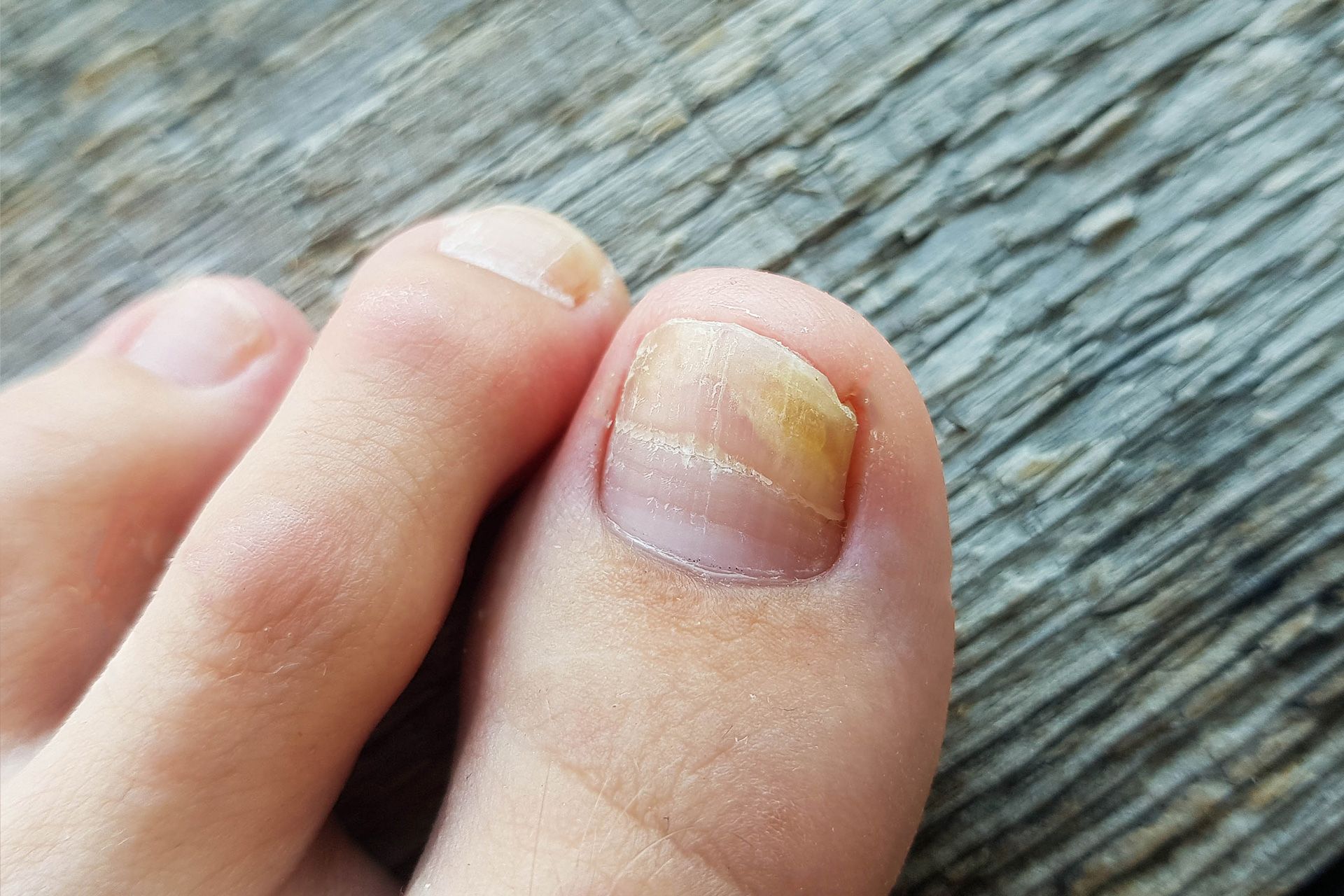
Fungal toenail infections, also known as onychomycosis, are characterised by nail discolouration, thickening, brittleness, and in some cases, separation from the nail bed. Many patients do not realise they have the condition, as it can persist for years without causing significant pain.
The infection can penetrate beneath and underneath the nail surface, eventually causing difficulty and discomfort during walking or running. Secondary bacterial or yeast infections often accompany established fungal infections. People with chronic conditions such as diabetes, circulatory problems, or immune deficiencies face elevated risk, as do those with a history of athlete's foot.
Prevention is key. Professional treatment combining topical or oral antifungal medication with debridement, the professional removal of diseased nail material, significantly improves outcomes compared to over-the-counter remedies alone.
Prevention Tips
Our Service
Podiatry & Chiropody
Corns, calluses, ingrown toenails, bunions, fungal nails — all treated in a single all-inclusive appointment at Grays Foot Clinic. HCPC-registered podiatrists in Holborn, London. From £100.
GRAYS FOOT CLINIC
Ready for Expert Care?
HCPC-registered podiatrists in Holborn, London. Est. 1986.